Wednesday, April 4, 2018

Benefits Of Social Media Marketing


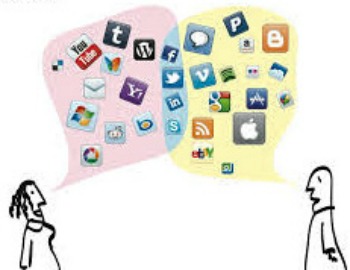
To some entrepreneurs, social media marketing is the “next big thing,” a temporary yet powerful fad that must be taken advantage of while it’s still in the spotlight. To others, it’s a buzzword with no practical advantages and a steep, complicated learning curve.
This demonstrates a huge potential for social media marketing to increase sales, but a lack of understanding on how to achieve those results. Here’s a look at just some of the ways social media marketing can improve your business.

1. Increased Brand Recognition.
Every opportunity you have to syndicate your content and increase your visibility is valuable. Your social media networks are just new channels for your brand’s voice and content. This is important because it simultaneously makes you easier and more accessible for new customers, and makes you more familiar and recognizable for existing customers. For example, a frequent Twitter user could hear about your company for the first time only after stumbling upon it in a newsfeed. Or, an otherwise apathetic customer might become better acquainted with your brand after seeing your presence on multiple networks.

2. Improved brand loyalty.
 According to a report published by Texas Tech University, brands who engage on social media channels enjoy higher loyalty from their customers. The report concludes “Companies should take advantage of the tools social media gives them when it comes to connecting with their audience. A strategic and open social media plan could prove influential in morphing consumers into being brand loyal.” Another study published by Convince&Convert found that 53% of Americans who follow brands in social are more loyal to those brands.

3. More Opportunities to Convert.
 Every post you make on a social media platform is an opportunity for customers to convert. When you build a following, you’ll simultaneously have access to new customers, recent customers, and old customers, and you’ll be able to interact with all of them. Every blog post, image, video, or comment you share is a chance for someone to react, and every reaction could lead to a site visit, and eventually a conversion. Not every interaction with your brand results in a conversion, but every positive interaction increases the likelihood of an eventual conversion. Even if your click-through rates are low, the sheer number of opportunities you have on social media is significant. And as I pointed out in my article, “The Four Elements of Any Action, And How To Use Them In Your Online Marketing Initiative,” “opportunity” is the first element of any action.

4. Higher conversion rates.
Social media marketing results in higher conversion rates in a few distinct ways. Perhaps the most significant is its humanization element; the fact that brands become more humanized by interacting in social media channels. Social media is a place where brands can act like people do, and this is important because people like doing business with other people; not with companies.
Additionally, studies have shown that social media has a 100% higher lead-to-close rate than outbound marketing, and a higher number of social media followers tends to improve trust and credibility in your brand, representing social proof. As such, simply building your audience in social media can improve conversion rates on your existing traffic.

5. Higher Brand Authority.
 Interacting with your customers regularly is a show of good faith for other customers. When people go to compliment or brag about a product or service, they turn to social media. And when they post your brand name, new audience members will want to follow you for updates. The more people that are talking about you on social media, the more valuable and authoritative your brand will seem to new users. Not to mention, if you can interact with major influencers on Twitter or other social networks, your visible authority and reach will skyrocket.

6. Increased Inbound Traffic.
Without social media, your inbound traffic is limited to people already familiar with your brand and individuals searching for keywords you currently rank for. Every social media profile you add is another path leading back to your site, and every piece of content you syndicate on those profiles is another opportunity for a new visitor. The more quality content you syndicate on social media, the more inbound traffic you’ll generate, and more traffic means more leads and more conversions.

7. Decreased Marketing Costs.
 According to Hubspot, 84% of marketers found as little as six hours of effort per week was enough to generate increased traffic. Six hours is not a significant investment for a channel as large as social media. If you can lend just one hour a day to developing your content and syndication strategy, you could start seeing the results of your efforts. Even paid advertising through Facebook and Twitter is relatively cheap (depending on your goals, of course). Start small and you’ll never have to worry about going over budget—once you get a better feel for what to expect, you can increase your budget and increase your conversions correspondingly.

8. Better Search Engine Rankings.
SEO is the best way to capture relevant traffic from search engines, but the requirements for success are always changing. It’s no longer enough to regularly update your blog, ensure optimized title tags and meta descriptions, and distribute links pointing back to your site. Google and other search engines may be calculating their rankings using social media presence as a significant factor, because of the fact that strong brands almost always use social media. As such, being active on social media could act as a “brand signal” to search engines that your brand is legitimate, credible, and trustworthy. That means, if you want to rank for a given set of keywords, having a strong social media presence could be almost mandatory.

9. Richer Customer Experiences.
 Social media, at its core, is a communication channel like email or phone calls. Every customer interaction you have on social media is an opportunity to publicly demonstrate your customer service level and enrich your relationship with your customers. For example, if a customer complains about your product on Twitter, you can immediately address the comment, apologize publicly, and take action to make it right. Or, if a customer compliments you, you can thank them and recommend additional products. It’s a personal experience that lets customers know you care about them.
  
10. Improved Customer Insights.
Social media also gives you an opportunity to gain valuable information about what your customers are interested in and how they behave, via social listening. For example, you can monitor user comments to see what people think of your business directly. You can segment your content syndication lists based on topic and see which types of content generate the most interest—and then produce more of that type of content. You can measure conversions based on different promotions posted on various social media channels and eventually find a perfect combination to generate revenue.

Thursday, March 15, 2018

Facebook, The Bouble Edged Knife

WASHINGTON: Facebook acknowledged on Monday (Jan 22) that the explosion of social media poses a potential threat to democracy, pledging to tackle the problem head-on and turn its powerful platform into a force for "good."   
This is a news report regarding the world wide criticism on the worlds ‘largest’ Social media network in relation to the misinformation happened during the US elections 2016. This is mainly a accusation directed to Russia as it is reported that 146M Facebook users are reached through the platform and misinformed starting from January 2015 till now. Facebook is not the only social media platform that has been ‘troubled’ by this event. YouTube and Twitter too claim that they too have a part regarding this in their platforms. This misleading information that reached across the world affected the mind set of people forcing their judgments in the US election 2016. It is evident that people do not yet understand the true intentions of social media and how they work. 

 As it is crucial worldwide, we, as Sri Lankans experienced this fact of ‘misinformation’ through social media very recently as the Anti-Muslim riots broke out in the district of Kandy. Sri Lankan government declared a state of emergency and they had to put ban on Facebook, WhatsApp, Viber and Instagram as the situation tensed with the ‘aid’ of these Social media sites. 


The Government has ordered the Internet facilitators to block the popular social media sites as a measure taken to stop spreading violence all across the island. The reason behind this is that during the time of curfew, which the Government declared in order to control the situation, the majority Sinhala Buddhist extremists used the social media as a news platform organize violence against the Muslims around the Kandy city. In order to trigger the situation and to ‘recruit’ more people to this destruction, they spread false information using the Social media networks. This measure taken by the Government actually worked as the riots subdued days after implementing the ban. Misinforming the crowds were done by both the Sinhala and the Muslim extremists to get more people on their ‘sides’ but the ban immediately affected in controlling the situation. 

As for the reasons why this misinformation happened and was effective regarding the recent incidents happened in Sri Lanka, I’ve got two theories. One; People ‘abuse’ Social media for their personnel benefit, which should be controlled immediately. Two; The Government monitored the Sri Lankan media during this riots and that made people loose trust in the state media apparatus’s, some people relied much on news on Social media like Facebook, WhatsApp, Viber.

Tuesday, March 13, 2018

Social Media and VR

 “By feeling truly present, you can share unbounded spaces and experiences with the people in your life. Imagine sharing not just moments with your friends online, but entire experiences and adventures."
This is what Mark Zuckerburg, the founder of Facebook said when he purchased Oculus VR, which is famous as a virtual reality company. As we all know, social media is used by millions of people throughout the world to interact with others. Many people claim that the sudden popularity of social media was due to people wanting to create an image of them virtually, the way they want the world to see them. This can be proved because it is said that millions of people spend about 20 hours per week on social media.
Lately, we’ve been able to witness that Facebook had introduced features such as live videos, 360 degree video etc. undoubtedly these new features are aimed as steps to evolve the social media into a virtual reality. Even now Facebook had launched a version of virtual reality app which lets people to connect with each other using avatars in a 3D environment.

This technology is so advanced right now that the avatars can even mimic the facial expressions and also movements. Therefore, once this is completed, the world would get addicted to the new technology because not only does this allow us to experience people live in 3D, but this would also allow the users to create their own reality such as diving or even travel through planets.  
As we all know, everything has a good side as well as a bad side. Most of the people still do not like the idea that the social media had almost taken over the real human interaction. But however, when put to good use, we can use this technology for things like to teach in class rooms where the students get to engage in situations virtually which might be impossible in reality such as learning a history lesson in a virtual environment going back in time. Therefore in conclusion, we as humans should be able to identify and differentiate what is good and bad, and then use the new technologies to assist us in our daily work rather than to distance ourselves from the reality.

Thursday, March 1, 2018


 OTT What ?


WTF is OTT?


OTT stands for “over-the-top,” the term used for the delivery of film and TV content via the internet, without requiring users to subscribe to a traditional cable or satellite pay-TV service like a Comcast or Time Warner Cable.

                                                     
OTT apps and services are delivered over the internet, users still need a broadband connection, which they usually get from their cable providers. The likely outcome: traditional distributors will continue to play an important role in the growth of OTT because they also specialize in areas that TV networks don’t have an expertise in, including sales, marketing and customer management.


“Part of the reason OTT didn’t develop more quickly than it did is that for a lot of content owners, they were able to solve the tech challenge [of delivering content over the web], but they didn’t have the DNA to sell directly to consumers,” said Simon Jones, vp of marketing at Conviva, a video analytics company.
So what’s the hullabaloo about then?
Well, it’s still far more lucrative for pay-TV providers to keep the existing model in place, which centers on selling bundles of cable channels to customers even if they don’t need or want most of them. For a long time, this model was also what worked best for major media companies that own TV networks. They would be able to bundle their most popular channels with less popular ones and turn a pretty profit.


Netflix’s success has prompted TV competitors to adapt. HBO launched HBO Now in 2015 and is said to have around a million subscribers.
“HBO Go became such a strongly branded destination for video content that it got people thinking, ‘Hm, this brand can live anywhere outside of the traditional [TV ecosystem],’” said Mike Green, Brightcove’s vp of marketing and business development, media.
 I’m assuming there’s more to OTT than Netflix and HBO.
Of course. CBS, Showtime and Lifetime have over-the-top video services. And those are just the TV networks. Online video companies such as Hulu and YouTube are angling for the TV business with their own versions of an internet-based TV service.

What about Sling TV?
Sling TV is still a pay-TV service, except it’s cheaper and delivers smaller bundles of channels over the web. Hulu’s live TV offering will play in this field, which also includes AT&T’s DirecTV Now and the Sony PlayStation Vue.

I’ve heard other acronyms associated with OTT: SVOD, AVOD…
Ok, this is where it can get confusing. OTT can largely be broken down into three different revenue models: SVOD (subscription-based services such as Netflix, Amazon and Hulu); AVOD (free and ad-supported services such as Crackle); and TVOD (transactional services such as iTunes, Vimeo On Demand and Amazon Instant Video that allow users to pay for individual pieces of content). While none need to die for the others to survive, how content owners approach these options will go a long way in determining which OTT apps break through the clutter.

Is OTT the same as “TV Everywhere”?
That isn’t really OTT because TV Everywhere still requires users to pay for traditional TV.


What are some other growth issues for OTT?
Plain and simple: discovery. While streaming is still dominated by Netflix, smaller services like Amazon, Hulu, HBO Now and CBS All-Access are all growing subscribers. “What some content owners are doing is essentially a land-grab: getting their content out there across platforms and figuring out business models later,” said Green. “They don’t want to miss out on not having their app on the home screen [of a popular OTT platform].”
In other words: as more players get onto the field, it will become harder and harder to get noticed.
How will measurement fit into all of this?
In some ways, measurement will be tied to distribution. “There needs to be a common rubric in which everyone can evaluate how the [distribution] relationship is running,” said Jones. “We have to build this aeroplane midflight. In a perfect world, we would have established the rules before the endgame. But everybody is already engaged.”
 
Sampath Hasaranga
FTPT  / 16  / B 2 / 11


What is Live Video Streaming or Live casting?
People love to watch events ‘live’ especially those of our favorite sporting teams and concerts from our celebrity entertainers. But when it’s difficult to attend a live event, we gather to watch the special moments in real-time on television or over the internet in High Definition with 1080P quality.
Over the past year, due to the ease of a new breed of technology with incredibly low cost, we can now find business information, seminars, workshops and webinars which are being broadcast ‘live’ to a global audience over the INTERNET.

Livecasting or livestreaming is often the term used that describes the process of broadcasting real-time, live video footage or video feed to an audience accessing the video stream over the internet. The viewing device can be a desktop computer, laptop, tablet, smartphone or digital screen at home, at the office or in a brick and mortar venue such as a movie theater, restaurant, house of worship or sporting arena. The broadcast can be just video, audio or both.
Viewers often will interact with the broadcast Host or guests or other viewers, through text chat, twitter feed, voice or webcam video.
Here are a few examples to show you what is possible with LIVE video streaming:


1.     It’s a new way to reach out and talk to your clients and prospects.
2.     It provides you with the same level of engagement as a face-to-face conversation or a stage/boardroom presentation.
3.     It is NOT traditional webinar or video conferencing technology.
4.     It is easy enough to begin using with less than 90 minutes of training.
5.     A high quality, multi-person video conversation can be held WITHOUT cost.
6.     If used strategically, your Google search rank will significantly increase.
                                                     
Sampath Hasaranga
FTPT / 16/ B2 / 11

The Effect Of Social Media On Human Behavior


The human species is so diverse despite our similar appearance. Unlike other species in this planet with sub-species that look so different from one another, humans almost look alike except for a variety in skin color and some features that determine our regional ancestry. Meanwhile, our cultural diversity also explains the difference on human behavior.


However, human behavior changes the more we dabble with technology especially with social media. Aside from the fact that most people in the world today use the Internet in their daily lives, social networks are also a popular hub to connect and communicate with the world at large. After all, we are a product of the environment. Relationships, shopping choices, good humor, and even study habits are now affected by social media. These social networks initially started to support existing social relations we already have but as the years go by, other social media platforms were developed that encouraged people to meet and befriend complete strangers aside from the ones where they already have existing offline relationships with.


People adopt unique personas for different social networking sites such as Facebook or LinkedIn, a team of researchers, including an Indian-origin researcher, have found.

“Users tend to portray themselves differently in these different worlds,” said Dongwon Lee, associate professor at Pennsylvania State University in the US.


Researchers theorised that these different personas stem from a desire to fit within the distinctive culture or etiquette of each site.

For instance, a photo of someone’s colorful drink may be popular on Instagram, but the same image post to LinkedIn would be frowned upon.

“The users tend to portray themselves differently in these different worlds,” Mr Lee explained.


Human behavior is so flexible it enables people to adapt to different circumstances with ease but at times this trait does more harm than good. When people change who they are to fit in to what society dictates they should be, that’s when things start to become a cause of concern.


The challenge is that most of the work on social interaction has been conducted using “real world,” face-to-face social networks, in contrast to the types of online relationships that are increasingly common. So, while we know that old-fashioned social interaction is healthy, what about social interaction that is completely mediated through an electronic screen? When you wake up in the morning and tap on that little blue icon, what impact does it have on you?

Prior research has shown that the use of social media may detract from face-to-face relationships, reduce investment in meaningful activities, increase sedentary behavior by encouraging more screen time, lead to internet addiction, and erode self-esteem through unfavorable social comparison. Self-comparison can be a strong influence on human behavior, and because people tend to display the most positive aspects of their lives on social media, it is possible for an individual to believe that their own life compares negatively to what they see presented by others. But some skeptics have wondered if perhaps people with lower well-being are more likely to use social media, rather than social media causing lower well-being. Moreover, other studies have found that social media use has a positive impact on well-being through increased social support and reinforcement of real world relationships.


A lot has changed since technology took over the world. Back then, not everyone had access to these sophisticated gadgets because they are far too expensive and only the rich can afford it. But with the mass production of these things, even the masses can now afford to buy one without spending a fortune. And it’s not that impossible anymore to get these gadgets fixed once they get broken.

Human behavior also changed along with the rise of the Internet and social media. People are always on their smartphones or gadgets checking on their social media accounts that they often mistake virtual reality for real life. Moreover, people usually only show the good side of their lives to the public but in reality, life is not a bed of roses. There are difficulties and challenges that come our way but we often bottle it up, to give others the perception that our life is perfect. In that way, social media affects human behavior negatively. The key here is to use it in moderation knowing how many people often lose themselves when using it. Even too much of a good thing can still be bad for you.


Sadeepa Sanjuka Liyanage
FTPT / 16 / B2 / 08      

How to Choose the Best Social Media Platforms for Marketing

social media marketing

Here's a brief overview about how to use social media for marketing according to each platform’s unique user base and environment. Different social media marketing sites require different approaches, so develop a unique strategy tailored for each platform.


Using Facebook for Social Media Marketing

Facebook’s casual, friendly environment requires an active social media marketing strategy. Start by creating a Facebook Business Fan Page. You will want to pay careful attention to layout, as the visual component is a key aspect of the Facebook experience.


Facebook is a place people go to relax and chat with friends, so keep your tone light and friendly. And remember, organic reach on Facebook can be extremely limited, so consider a cost-effective Facebook ad strategy, which can have a big impact on your organic Facebook presence as well!


Using Google+ for Social Media Marketing


 Google+ entered the scene as a Facebook competitor, but it now serves a more niche audience. It won't work for everybody, but some communities are very active on Google+.


On Google+ you can upload and share photos, videos, links, and view all your +1s. Also take advantage of Google+ circles, which allow you to segment your followers into smaller groups, enabling you to share information with some followers while barring others. For example, you might try creating a “super-fan” circle, and share special discounts and exclusive offers only with that group.

You can also try hosting video conferences with Hangouts and experiment using the Hangout feature in some fun, creative ways. Some social media marketing ideas: if you're a salon, host a how-to session on how to braid your hair. If you own a local bookstore, try offering author video chats. If you're feeling adventurous, invite your +1s to your Google+ Community. Google+ Communities will allow you to listen into your fan's feedback and input, truly putting the social back into social media.


Using Pinterest for Social Media Marketing


Pinterest is one of the fastest growing social media marketing trends. Pinterest’s image-centered platform is ideal for retail, but anyone can benefit from using Pinterest for social media purposes or sales-driving ads.

Pinterest allows businesses to showcase their product offerings while also developing brand personality with eye-catching, unique pinboards. When developing your Pinterest strategy, remember that the social network's primary audience is female. If that's your demographic, you need a presence on Pinterest!


Using Twitter for Social Media Marketing


Twitter is the social media marketing tool that lets you broadcast your updates across the web. Follow tweeters in your industry or related fields, and you should gain a steady stream of followers in return.

Mix up your official tweets about specials, discounts, and news with fun, brand-building tweets . Be sure to retweet when a customer has something nice to say about you, and don’t forget to answer people’s questions when possible. Using Twitter as a social media marketing tool revolves around dialog and communication, so be sure to interact as much as possible to nurture and build your following.


Using for Social Media Marketing


LinkedIn is one of the more professional social media marketing sites. LinkedIn Groups is a great venue for entering into a professional dialog with people in similar industries and provides a place to share content with like-minded individuals. It's also great for posting jobs and general employee networking.

Encourage customers or clients to give your business a recommendation on your LinkedIn profile. Recommendations makes your business appear more credible and reliable for new customers. Also browse the Questions section of LinkedIn; providing answers helps you get established as a thought leader and earns trust.


Using YouTube for Social Media Marketing


YouTube is the number one place for creating and sharing video content, and it can also be an incredibly powerful social media marketing tool. Many businesses try to create video content with the aim of having their video “go viral,” but in reality those chances are pretty slim. Instead, focus on creating useful, instructive “how-to” videos. These how-to videos also have the added benefit of ranking on the video search results of Google, so don't under-estimate the power of video content!


Location-Based Social Media Tools


Social media platforms like Yelp, FourSquare, and Level Up are great for brick and mortar businesses looking to implement marketing on social media. Register on these sites to claim your location spot, and then consider extra incentives such as check-in rewards or special discounts. Remember, these visitors will have their phones in hand, so they will be able to write and post reviews. A lot of good reviews can significantly help sway prospective visitors to come in and build your business!


Using Reddit for Social Media Marketing


Reddit, or similar social media platforms such as Stumble Upon or Digg, are ideal for sharing compelling content. With over 2 billion page views a month, Reddit has incredible social media marketing potential, but marketers should be warned that only truly unique, interesting content will be welcomed. Posting on Reddit is playing with fire—submit spammy or overtly sales-focused content and your business could get berated by this extremely tech-savvy community.

If you have content you believe the Reddit community (majority is young, geeky, liberal, and internet-obsessed) would enjoy, you could reap tremendous benefits and earn valuable traffic.

Using social media in marketing does more than improve site traffic and help businesses reach more customers; it provides a valuable venue for better understanding and learning from your target audiences.


Sadeepa Sanjuka Liyanage
FTPT / 16 / B2/ 08     
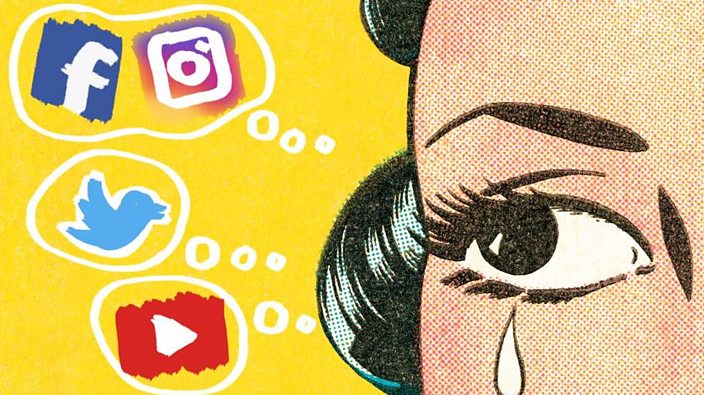
සමාජමාධ්‍ය යනු සමාජ විනාශකයක්ද?
http://ichef.bbci.co.uk/images/ic/704xn/p03xpdm4.jpg
           කිසිඳු කරුණු සෙවීමකින් තොරව අන්තර්ජාලය, රූපවාහිනිය, දුරකථනය, ජනමාධ්‍ය, සමාජමාධ්‍ය ආදී නවීන තාක්ෂණික ක‍්‍රමෝපායන් නිර්දය ලෙස විවේචනය කරන්නට පුරුදු වූ සාම්ප‍්‍රදායික මිනිසුන් පිරිසක් තවමත් ලංකාවේ සිටියි. මෙවැනි පිරිස් අන්තර්ජාලය, සමාජමාධ්‍ය යනාදිය දකින්නේ සමස්ථ මානව වර්ගයා මෙන්ම රට, ජාතිය, ආගම, සංස්කෘතිය ආදී වටිනාකම් ගිල දැමීමට ආ රාක්ෂයින් ලෙසය. නමුත් මේ සමාජමාධ්‍ය විරෝධීන් බහුතරයක් සමාජමාධ්‍ය යනු කුමක්දැයි කියාවත් හරිහැටි නොදත් පිරිසක් වීම කණගාටුවට කරුණකි.
මෙලෙස සමාජමාධ්‍යන්ට දොස් පැවරීම මෝස්තරයක් බවට පත් ව ඇත. එසේ විවේචනය කිරීම තමන්ගේ පරිණත බව පෙන්වීමට ඇති ආශාව ඉටු කර ගැනීමක් ලෙස පෙනේ. සමාජයේ සිදුවන නොයෙක් අපරාධ, අපචාර ආදියේදී ඒවාට වගකිවයුත්තෝද සමාජමාධ්‍ය වෙත ඇඟිල්ල දිගුකරමින් තමාගේ අත පිසදා ගැනීමට පෙළඹී ඇත. මෙම කරුණ පිළිබඳව අදහස් දැක්වීමේදී මා පසුගිය දිනක කියවූ බ්ලොග් පිටුවක සඳහන් වූ කරුණක් සිහියට නැගේ. එහි සඳහන් කොට තිබුණේ ලංකාවේ ඇතැම් පුද්ගල කණ්ඩායම්, සමාජමාධ්‍ය සහමුලින්ම හෙළා දැකීම තුළින් සංකේතවත් වනුයේ ගනානුගතිකත්වයත්, නූතනත්වය අතර සදාකාලික ගැටුම බවයි.
           තාක්ෂණයෙන් මුසපත්ව, නවීකරණයට ගැතිව, සමාජමාධ්‍ය තුළින් සමාජයට අබමල් රේණුවක වරදක් නැතැයි කිවීමට තරම් මා ෆැන්ටසියක ජීවත් වන්නේ  නැත. අප වටහා ගත යුත්තේ, සයිබර් අවකාශයේ සැරිසරන බිලියන සංඛ්‍යාත පරිශීලකයන්, සමාජමාධ්‍ය යොදා ගනිමින් එකට එක්ව අදහස්, තොරතුරු, අත්දැකීම් බෙදාහදා ගනිමින් සාමීචියේ යෙදෙන අතර ඉන් අතලොස්සක් සිදුකරන අමනාක‍්‍රියාවන් ඉස්මතු කොට දක්වමින් සමස්ථ සමාජමාධ්‍ය පරපුරම අර්ථකථනය කිරීම සාධාරණ නොවන බවයි. එය යම් පාසලක එක් ගුරුවරයෙක් සිසුවෙකුට හෝ සිසුවියකට අතවරයක් සිදුකළහොත් සමස්ථ පිරිමි ගුරුවරුන්ම ස්ත්‍රී දුෂකයන් ලෙස අර්ථකථනය කළ නොහැකිය.
            සමාජමාධ්‍ය යන්න ගෝලීය මට්ටමෙන් ක‍්‍රියාත්මක වන්නකි. මේ  නිසා ඒවා අයිති සමාගම් සෑම විටම යම් රටක නීති රාමුවකට  යටත්ව ක‍්‍රියාත්මක වේ. එම රාජ්‍ය නියාමනයන් විසින් පනවන ලද සීමාවන් අතික‍්‍රමණය නොකරන්නට ඔවුන් නීතියෙන් බැදී සිටියි. අදාළ නීති කඩකිරීම තුළින් එම සමාගම් සහ සමාජමාධ්‍ය ජාලයන් තහනමකට ලක් වෙන්න ඇති අවස්ථාවන් බොහෝය. ප්‍රායොගිකව එසේ තහනමට ලක්වූ අවස්ථාවන්ද ඇත.
       එබැවින්  ඕනෑම සමාජමාධ්‍යයක් හා සම්බන්ධ වී යම් පුද්ගල ගිණුමක් සැකසීමේදී, කොන්දේසි රාශියකට යටත් වන්නට පරිශීලකයින්ට සිදු වේ. එම සමාජමාධ්‍යයන් හරහා හුවමාරු කර ගන්නා අන්තර්ගතයන් සෑම විටම නීතිමය රාමුවකට යටත් විය යුතු බව එම කොන්දේසි වලින් සඳහන් කොට ඇත. නමුත් බොහෝදෙනා ඒවා කියවා නොබලාම ඒවාට එකඟ වී ගිණුම් ආරම්භ කරති. එතැන් සිට එම සමාජමාධ්‍ය සතු මිලියන සංඛ්‍යාත පරිශීලකයන් එදිනෙදා නිතර නිතර හුවමාරු කර ගන්නා තොරතුරු එකින් එකට විමසීමක් කිරීම ප‍්‍රායෝගිකව ඉතා අසීරු වේ. එක් තත්පරයකදී විශාල අන්තර්ගතයන් ප‍්‍රමාණයක් විවිධ භාෂාවන් ගෙන් සමාජජාල හරහා හුවමාරු වන බැවින් සමාජමාධ්‍ය පරිපාලකවරුන්ට ඒවා හොඳ හෝ නරක ලෙස වෙන් කිරීම සිදු කිරීම ප්‍රයෝගිකව කල නොහැක්කකි.
            අනෙක් අතට මානව අයිතිවාසිකම් උත්තරීතරකොට සලකන වකවානුවක කිසිවෙකු සතු මත පළ කිරීමේ අයිතිය සහ භාෂණයේ නිදහස කප්පාදු කිරීමට උගත් සමාජයන් ක‍්‍රියා නොකරන අතර එම නිදහස මනා සංයමයකින් යුතුව භුක්ති විදිතැයි ඔවුහු විශ්වාස කරති. එබැවින් විය යුත්තේ සමාජමාධ්‍ය භාවිතා කිරීමේදී ආත්ම සංයමයෙන් හා ආරක්ෂාකාරීව කල්පනාවෙන් කටයුතු කිිරීම විනා තම ආරක්ෂාව රජයක් හෝ වෙනත් පාර්ශ්වයක් මත පැටවීම නොවේ.
   යම් සිසුවෙකු විශ්වවිද්‍යාලයකට ඇතුළත් කර ගැනීමේදී විනය නීති මාලාවක් පැනවේ. දැන හෝ නොදැන දැනටමත් සියළු සිසුසිසුවියන් එයට එකඟ වී ඇත. නමුත් දහසක් සිසුන් අතර සුළු පිරිසක් එම නීතීන් කඩ කරමින් ක‍්‍රියා කරයි. එහි වරද ඇත්තේ සිසුවාගේ මිස විශ්වවිද්‍යාලයේ නොවේ. එසේම විශ්වවිද්‍යාලයක් තුළ බොහෝ වටිනාකම් පවතියි. දැනුමින් සපිරි ආචාර්යවරුන්, පුස්තකාල, විද්‍යාගාර , පරිගණක මධ්‍යස්ථාන, සමිති සමාගම්, ක‍්‍රීඩා මධ්‍යස්ථාන, බුද්ධිමත් ජේෂ්ඨ සිසුන්, සැබෑ ශිෂ්‍ය ව්‍යාපාර, ඵලදායී ශිෂ්‍ය සංගම්, යහපත් මිතුරු හවුල් මෙන්ම දැනුම, ආදරය, සහෝදරත්වය, මිත‍්‍රත්වය ආදිය එයට නිදසුන් වේ. අනෙක් අතට ගත් කළ විශ්වවිද්‍යාලයක ශිෂ්‍යයන් වැරදි ලෙස මෙහෙයවන දේශපාලන හස්තයන්, ශිෂ්‍ය මනස අවුල් කරවන යම් යම් සංස්කෘතීන්, මත්පැන් මත්ද්‍රව්‍ය ආදියට ඇබ්බැහි වූවන්, විනාශකාරී මිතුරු හවුල්, නොගැලපෙන විලාසිතා මෙන්ම වෛරය, ඊෂ්‍යාව, අලසකම ආදී නොහොබිනා දේ ද තිබිය හැකිය. විශ්වවිද්‍යාල ශිෂ්‍යා තම භූමිකාව හඳුනාගෙන යහපත් දේ තෝරා ගනිමින් අයහපත් දෙයින් ප‍්‍රවේශම් විය යුතුය. හොඳ නරක තෝරා බේරාගෙන කටයුතු කළ යුතු අතර තම වටිනා කම් ආත්ම ගෞරවය රැුකගෙන කටයුතු කිරීමේ සම්පූර්ණ වගකීම ශිෂ්‍යා සතුවේ.    
සමාජමාධ්‍යද මේ මෙලෙසමය. සමාජමාධ්‍ය තුල හොද මෙන්ම නරකද ඇත. පරිශීලකයා මෙම  හොද නරක මිශ්‍රණයෙන් නරක ඉවත් කර හොද තෝරා බේරා ගැනීමට කටයුතු කල යුතුය. එසේ කල නොහැකිනම් මෙම සමාජමාධ්‍ය තුලින් ඉවත්ව සිටිය යුතුය.


Dumidu Jayasundara
FTPT/16/B2/07